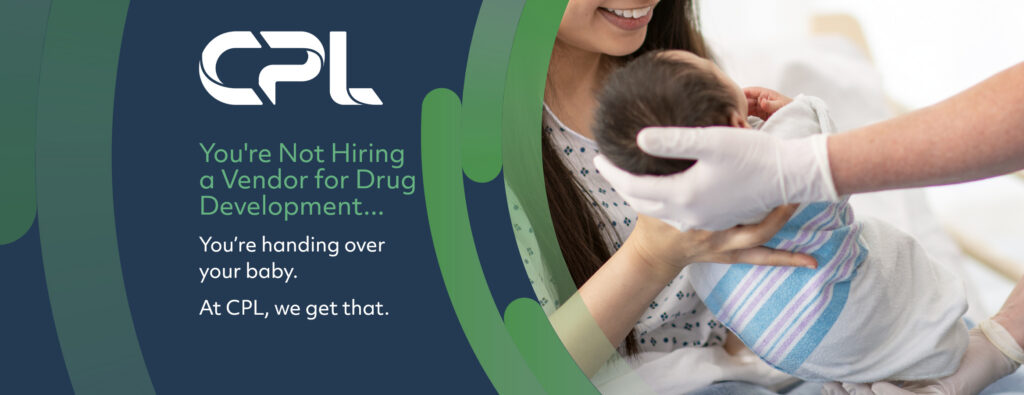
There comes a moment in every pharmaceutical development program when the science gives way to something much bigger.
The formulation has been developed. Years of research have been invested. Investors are watching closely. Regulatory milestones are approaching. For emerging companies, a single product may represent the future of the entire organization. For established pharmaceutical companies, the program may carry significant commercial expectations and strategic importance.
Then comes one of the most consequential decisions in the entire product lifecycle. Who will you trust to manufacture it? Selecting a Contract Development and Manufacturing Organization (CDMO) is often viewed as a technical exercise. Companies compare equipment, dosage form capabilities, manufacturing capacity, regulatory history, and pricing. Those are all important considerations, but they rarely determine whether a relationship ultimately succeeds.
More often than not, successful pharmaceutical outsourcing depends on something much less tangible. It depends on trust.
The Best CDMO Relationships Begin Long Before Manufacturing
A pharmaceutical product is never “just another project.”
Behind every formulation are years of scientific work, financial investment, countless hours of development, and the hopes of everyone who has contributed to bringing the product this far. For smaller pharmaceutical companies, a single program may represent everything they have worked toward. Success can transform an organization. Failure can end it.
That reality changes the nature of the relationship between sponsor and CDMO.
The right manufacturing partner understands they are not simply receiving a technology transfer package or a manufacturing order. They are accepting responsibility for something their customer has spent years creating.
That perspective changes every conversation. Instead of asking, “How quickly can we quote this project?” the better question becomes, “How do we ensure this program succeeds from beginning to end?”
Technical Expertise Is Only the Starting Point
Every pharmaceutical company expects its CDMO to possess the technical capabilities necessary to manufacture its product. If the equipment, facilities, or scientific expertise are not available, the conversation ends before it truly begins.
But once technical capability has been established, something else becomes equally important… Communication.
Many of the most expensive failures in pharmaceutical outsourcing have little to do with manufacturing science itself. Instead, they originate from misunderstandings established long before the first engineering batch is ever produced.
Project scope may not be fully defined.
Timelines may be based on assumptions rather than reality. Critical formulation challenges may not be discussed until they become production problems. Commercial scale expectations may differ dramatically from laboratory success.
These issues are rarely caused by a lack of scientific expertise. They result from conversations that were either incomplete or never happened at all. The strongest CDMO relationships begin by ensuring everyone shares exactly the same understanding before a proposal is ever written.
Great Partnerships Eliminate Surprises
One of the most common reasons pharmaceutical outsourcing relationships deteriorate is simple. Expectations become misaligned. A sponsor assumes certain activities are included and accounted for; the CDMO assumes they are not.
A development timeline appears achievable until the realization that a particular packaging component requires months to procure. A bench formulation performs beautifully in the laboratory but presents unexpected challenges when scaled for commercial manufacturing. None of these situations are unusual. What matters is whether they are discovered early or late.
Experienced pharmaceutical partners understand that difficult conversations held early prevent much larger problems later. Honest discussions about timelines, manufacturing complexity, technical risks, and potential obstacles create confidence rather than concern.
Sponsors rarely expect perfection. They expect transparency.
Communication Is a Competitive Advantage
One characteristic consistently separates successful CDMO partnerships from unsuccessful ones. The willingness to communicate openly, especially when something goes off track.
Every technology transfer encounters challenges. Every development program experiences unexpected variables. Every commercial manufacturing process requires careful problem solving.
The difference is not whether obstacles occur. The difference is how quickly they are acknowledged, communicated, and successfully addressed. Organizations built on transparent communication create environments where difficult conversations happen immediately, not days or weeks later. Good news should travel quickly. Difficult news should travel even faster.
When both sponsor and CDMO are comfortable discussing problems openly, solutions become collaborative rather than confrontational. That level of trust cannot be created overnight. It must become part of the organization’s culture.
A Strategic Partner Thinks Beyond the Production Line
Many pharmaceutical companies evaluate CDMOs primarily through the lens of manufacturing when asking their questions:
- Can they make the product?
- Can they package it?
- Can they deliver it on time?
Those questions matter. Equally important, however, is understanding how the organization itself operates:
- Do technical experts participate before quotations are developed?
- Are quality, operations, analytical, environmental health and safety, and commercial manufacturing teams aligned from the beginning?
- Does project management provide consistent visibility throughout development?
- Is there continuity if key personnel change during a long-term program?
These organizational questions often reveal far more about a CDMO than a capabilities brochure ever could. Companies that operate collaboratively tend to solve problems collaboratively. Companies that work in silos often create unnecessary risk before manufacturing has even begun.
Why CPL Approaches Relationships Differently
At CPL, partnership begins long before production starts.
Every opportunity is approached through a highly integrated process that brings together business development, technical experts, operations, analytical sciences, quality, project management, and commercial manufacturing teams from the outset. Rather than relying on assumptions, the team works to fully understand project scope, formulation history, manufacturing objectives, regulatory expectations, timelines, packaging requirements, and potential technical challenges before developing a detailed proposal.
That early collaboration reduces misunderstandings, minimizes scope changes, and establishes realistic expectations for both organizations.
Just as importantly, CPL believes communication should remain consistent throughout the entire product lifecycle. When an issue cannot be resolved at the project level, it is promptly escalated to executive leadership to ensure timely decisions, remove obstacles, and keep the program moving forward.
Project information is carefully managed through structured project management systems. Multiple team members maintain familiarity with every program to ensure continuity. Challenges are communicated promptly, accompanied by practical recommendations and clearly defined options.
This approach reflects a philosophy that has guided CPL’s relationships for decades. Customers are not purchasing manufacturing capacity. They are choosing a long-term strategic partner invested in the success of their product.
The Right Question Isn’t “Who Can Make My Product?”
The better question is much simpler: Who do you trust with your company’s future?
When pharmaceutical companies begin evaluating potential CDMO partners through that lens, the conversation naturally expands beyond equipment lists, production lines, and pricing. It becomes a discussion about culture, communication, accountability, preparation, and partnership.
Because in pharmaceutical manufacturing, the most successful relationships are rarely built solely on technical capability.
They are built on confidence that the people receiving your program will care for it with the same commitment that brought it this far.
That is the foundation of every lasting CDMO partnership. And it is the standard CPL strives to deliver every day.