Microencapsulations
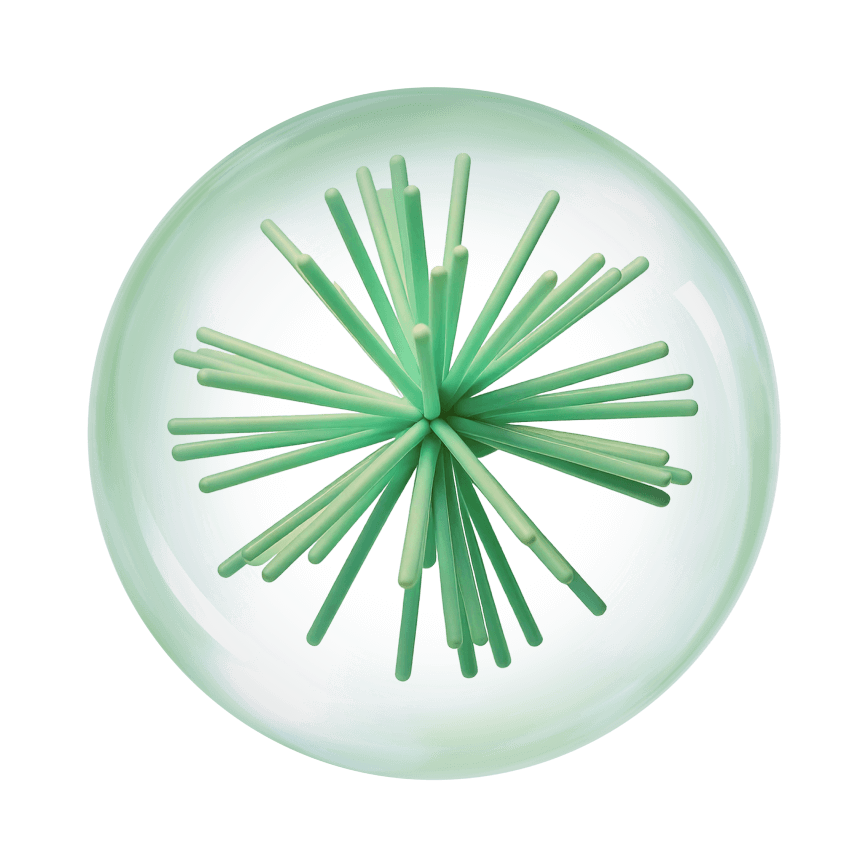


Liposome-in-Semi-Solid Formulations for Next-Generation Topical Delivery
Liposome-in-semisolid matrix formulations unite advanced technology with proven topical vehicles such as creams, gels, ointments, and lotions. By mimicking the skin’s own lipid architecture, CPL-designed liposomes can encapsulate challenging APIs, enhance stability, and improve penetration into targeted skin layers. Using high-pressure homogenization (microfluidizer) and semi-solid formulation expertise, we design, characterize, and scale these hybrid systems from lab through pilot to commercial manufacturing, helping clients unlock next-generation topical therapies for their complex molecules with robust, reproducible performance.

Smarter Topical Delivery Improves Penetration and Targetability
Liposome-in-semisolid matrix formulations embed nanosized liposomes within topical creams, gels, ointments, or lotions. These phospholipid vesicles mimic the stratum corneum, can encapsulate hydrophilic and lipophilic drugs, protect them from degradation, and modulate release, improving skin penetration and enabling targeted, sustained delivery. Our teams tailor lipid compositions and semisolid bases, and optimize loading, release, and penetration, transforming challenging-to-deliver drugs into high-performing therapeutics.
CPL combines deep topical formulation know-how with specialized liposome-in-semisolid expertise, using high-pressure homogenization (microfluidizer) to generate uniform, stable liposomes and scale them from lab to commercial, enabling a more profound understanding of liposome-encapsulated formulations and the opportunity to enhance complex drug delivery formulations.
Access our white paper and webinar to learn more.
- Read Next-Generation Topical Approach
- Watch Synergistic Integration of Liposomes in Semi-Solid Formulations


Skin Testing Services
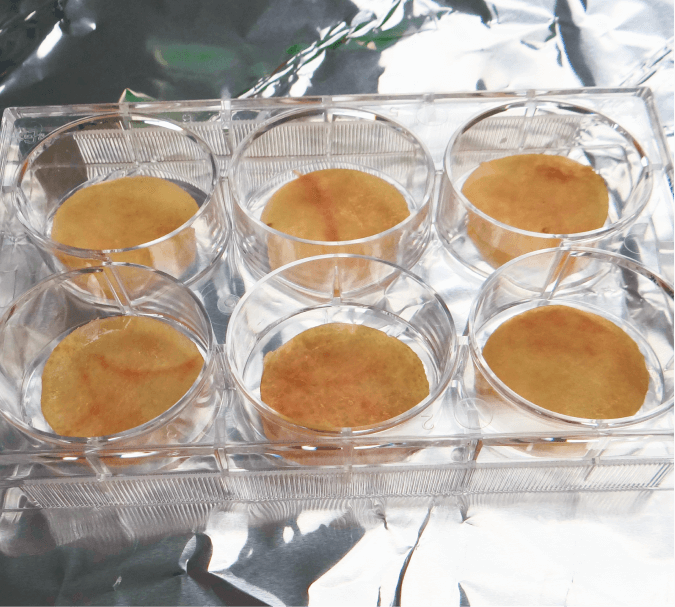
CPL’s Skin Lab’s in vitro skin testing services help inform formulation and process development of topical products, and are incredibly useful for advanced liposomal formulation development. Using IVPT to measure permeation, drug distribution in skin layers, mass balance studies to track dose distribution, and IVRT to quantify drug release, we generate rapid, high-value data without relying solely on costly in vivo studies. Formulators and Skin Lab scientists work in close partnership, using these insights to refine formulations and process parameters.
Explore the Skin LabHow Liposomes Are Engineered to Penetrate the Skin Barrier
The outermost skin layer, the stratum corneum, is a tightly packed “brick-and-mortar” barrier of corneocytes embedded in multilamellar lipids such as ceramides, cholesterol, and fatty acids, and is highly effective at keeping external environmental factors out, including therapeutic compounds.
However, liposomes are uniquely suited to navigate this barrier because their phospholipid bilayer closely mimics this lipid architecture. Their amphiphilic structure—hydrophilic heads and hydrophobic tails—allows encapsulation of both hydrophilic and lipophilic compounds. At the same time, their size, rigidity, and surface charge can be tuned to interact with or gently disrupt stratum corneum lipids. By fusing with or partitioning into this lipid matrix, liposomes enhance drug permeation, promote targeted delivery to specific skin layers, and support sustained, controlled release profiles.
CPL Experience Spotlight
Liposomal Semi-Solid for
Targeted Dermal Delivery
Dedicated to Excellence
from Molecule to Commercialization
CPL supports programs from early-phase through commercial launch, combining preformulation insight, robust semi-solid and non-sterile liquid development, scalable process design, and clinical and commercial manufacturing.

Pharmaceutical Development Services
Pharmaceutical Development Services
Comprehensive expertise that turns molecules into scalable, compliant, market‑ready semi-solid and non-sterile therapies.

Analytical & Product Testing
Analytical & Product Testing
Robust analytics power confident development and manufacture of topical and non-sterile liquid products.

Clinical & Commercial Manufacturing
Clinical & Commercial Manufacturing
More than three decades of GMP manufacturing experience from clinical supply through commercialization.

Packaging, Labeling & Serialization
Packaging, Labeling & Serialization
Integrated packaging, serialization, and aggregation ensure compliant, continuous commercial supply.

Semi-Solid & Non-Sterile Liquid Expertise
Semi-Solid & Non-Sterile Liquid Expertise
Pure-play CDMO for semi-solids and non-sterile liquids, with advanced micro encapsulation capabilities.

Unique Product Handling Experience
Unique Product Handling Experience
Infrastructure and expertise to manage complex, higher-risk semi-solid and non-sterile liquid products.


FAQs
-
Liposome-in-semisolid matrix formulations embed liposomes within creams, gels, ointments, or lotions. Because liposomes structurally resemble the stratum corneum’s lipid matrix, they can encapsulate and protect both hydrophilic and lipophilic drugs, improve penetration through the skin barrier, and modulate release. Dispersing these vesicles in a semisolid base supports localized, sustained delivery to specific layers or follicles, helping enhance therapeutic effect while reducing systemic exposure and irritation.
-
CPL combines deep expertise in semi-solid formulations with specialized capabilities in liposome-in-semisolid matrix systems. Using high-pressure homogenization (microfluidizer), we generate uniform, stable liposomes and seamlessly scale them from lab to pilot, and then to commercial manufacturing. Our scientists customize lipid composition and semi-solid bases to meet targeted penetration profiles and release rates, thereby helping de-risk development and accelerate approvals.
-
Scalability is engineered from the outset. CPL uses scalable high-pressure homogenization (microfluidizer) at lab, pilot, and commercial scales, applying consistent process parameters and controls from development through commercial scale. We define and monitor critical process parameters (CPPs) for liposome formation, encapsulation efficiency, and particle size distribution, then link them to critical quality attributes (CQAs) to maintain performance batch after batch.
-
CPL’s Skin Lab provides IVPT, IVRT, and skin distribution studies that directly help liposomal formulation design. IVRT characterizes release rates from liposome-in-semisolid systems, and IVPT measures the amount of drug that reaches specific skin layers over time. These data guide excipient selection, liposome composition, and process adjustments, and support regulatory-ready development.
Commitment.
Partnership. Legacy.
Leverage CPL’s 35 years of expertise in non-sterile liquids and semi-solids to ensure your program's success. We’ll support your product from molecule to market, or step in at any stage of its product lifecycle.